
Timeline of Life & Events
- Home
- Timeline
Historic Timeline
Chronological Milestones
A chronological overview highlighting key moments that shaped Ramji Gond’s resistance and enduring legacy.

Early 19th Century
Early Tribal Life
Born into a Gond tribal family, shaped by forest life, traditions, and community values.

1820s
Emerging Leadership
Gained recognition as a local leader through wisdom, mediation, and dedication to community welfare.

1830s
Community Mobilization
Organized villages to collectively address land restrictions and increasing colonial interference.

Mid-19th Century
Resistance Movement
Led organized resistance against British policies affecting forests, autonomy, and tribal livelihoods.
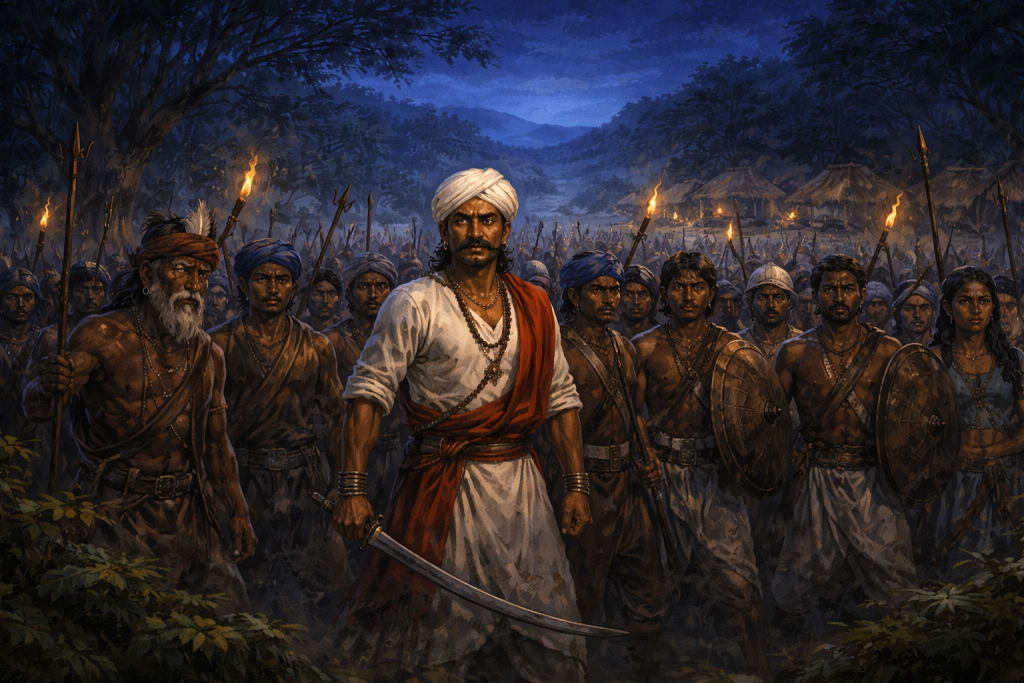
Armed Resistance
Rebellion Years
The rebellion years marked the most intense phase of Ramji Gond’s organized resistance against colonial authority.
The rebellion years represented a decisive turning point in Ramji Gond’s struggle against British control. During this period, resistance transformed from localized opposition into coordinated action involving multiple villages and communities. Increased restrictions on forest access, taxation, and interference in tribal governance fueled widespread dissatisfaction. Ramji Gond responded by strengthening unity, refining strategies, and reinforcing cultural identity as a form of resistance. Though resources were limited, determination and collective participation sustained the movement. These years were defined by resilience, sacrifice, and unwavering commitment to self-rule, leaving a lasting mark on tribal history.
Intensified resistance against colonial forest and land restrictions
Coordinated action among multiple villages and tribal groups
Strategic use of terrain and community intelligence
Strengthened cultural identity as a form of resistance
Endurance despite suppression, surveillance, and limited resources
Sacrifice Remembered
Capture, Trial, and Martyrdom
Final moments of Ramji Gond’s life reflecting sacrifice, injustice, and an enduring symbol of tribal resistance.
Colonial Arrest
Ramji Gond was eventually captured by British forces as colonial authorities sought to suppress the growing tribal resistance. His arrest symbolized the threat his leadership posed to colonial control and marked a critical turning point in the movement.
Colonial Judgment
Following his capture, Ramji Gond faced a colonial trial shaped by foreign laws and power imbalance. The proceedings reflected injustice, silencing tribal voices while asserting imperial authority over indigenous resistance.
Martyrdom
Ramji Gond’s martyrdom transformed him from a leader into a lasting symbol of tribal courage, sacrifice, and resistance. His death strengthened collective memory and inspired future generations to uphold dignity and freedom.
Honored Legacy
Posthumous Recognition
Ramji Gond’s sacrifice continues to be honored through memory, recognition, and enduring tribal respect.
After his martyrdom, Ramji Gond’s legacy lived on in the collective memory of tribal communities. Stories of his courage, leadership, and sacrifice were preserved through oral traditions, folk narratives, and cultural remembrance. He came to be regarded not merely as a historical figure, but as a symbol of resistance and dignity. His life inspired pride among Gond communities, reinforcing the importance of unity, self-rule, and protection of ancestral lands. Through remembrance, his struggle continued to guide collective identity and cultural resilience.
Over time, Ramji Gond received wider recognition beyond his community. Scholars, historians, and cultural organizations acknowledged his role in tribal resistance against colonial rule. Memorials, commemorative events, and educational references helped preserve his contribution for future generations. His posthumous recognition reflects the growing understanding of indigenous struggles within India’s broader historical narrative. Today, Ramji Gond stands as a reminder of the sacrifices made by tribal leaders in defending freedom, culture, and justice.