About Ramji Gond
- Home
- About

Tribal Roots
Early Life and Background
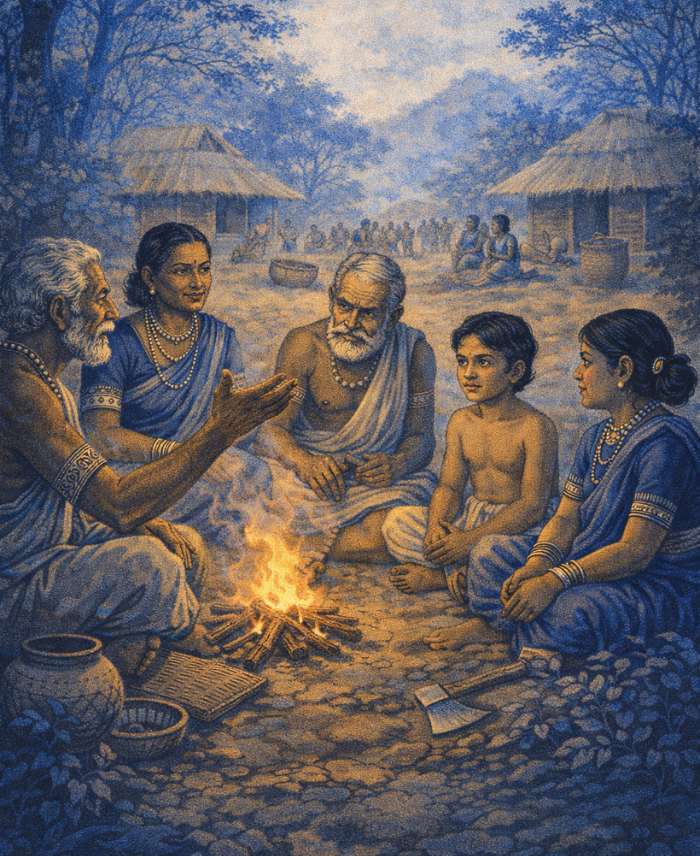
Ramji Gond was born into a traditional Gond tribal family deeply rooted in forest life, community values, and ancestral customs. His childhood unfolded amidst dense forests, hills, and village settlements where nature governed everyday existence. From an early age, he observed the close relationship between people and land—forests provided food, shelter, medicine, and spiritual meaning. Elders passed down oral histories, folk songs, and stories of past struggles, instilling pride and awareness of tribal identity. Family life emphasized cooperation, respect for nature, and collective responsibility. Ramji Gond learned practical skills such as hunting, gathering, farming, and forest navigation, which later shaped his resilience and leadership qualities. These formative years nurtured a strong sense of belonging and justice, helping him understand the hardships faced by his people. Witnessing exploitation and external interference during his youth quietly planted the seeds of resistance that would later define his life.
Growing up within a close-knit tribal household, Ramji Gond was guided by elders who valued wisdom, courage, and unity over personal gain. His family played a crucial role in shaping his moral foundation, teaching him to prioritize community welfare and protect ancestral lands. Rituals, festivals, and collective decision-making strengthened his understanding of leadership as service rather than authority. Daily interactions with villagers exposed him to inequalities and hardships imposed on tribal communities, deepening his sense of responsibility. The absence of formal education was replaced by lived knowledge—learning through observation, participation, and experience. These early influences helped Ramji Gond develop empathy, strategic thinking, and emotional strength. His background enabled him to communicate naturally with people, earning trust and respect. This strong grounding in family values and tribal culture became the backbone of his later resistance, leadership, and lasting legacy.
Collective Life
Family and Community Context
Ramji Gond grew up within a traditional Gond family structure where collective responsibility and mutual support formed the foundation of daily life. Families were closely connected, often living in extended households that shared labor, resources, and decision-making. Elders played a vital role, guiding younger generations through oral traditions, moral teachings, and practical knowledge. From his family, Ramji Gond learned respect for elders, cooperation, and the importance of protecting community interests over individual desires. Everyday life revolved around shared work such as farming, forest gathering, and seasonal rituals, strengthening unity and trust. These family-centered values helped shape his understanding of leadership as a duty toward others. Observing how families relied on one another during hardships taught him resilience and compassion. This environment nurtured a sense of responsibility that later influenced his ability to unite people and lead them with empathy and purpose.
The broader community played an equally important role in Ramji Gond’s development. Gond villages functioned as tightly knit social units where cooperation ensured survival and cultural continuity. Community gatherings, festivals, and councils encouraged participation and collective decision-making. Ramji Gond witnessed how shared traditions reinforced identity and solidarity, especially during times of external pressure and exploitation. Social bonds within the community helped individuals face challenges together, strengthening resistance against injustice. Through constant interaction with villagers, he developed strong communication skills and a deep understanding of communal needs. The community’s trust in him grew naturally, as he embodied shared values and experiences. This close relationship between family and community provided Ramji Gond with a strong support system, shaping his role as a leader who represented collective aspirations rather than personal ambition.
Emerging Leadership
Rise as a Local Leader
Ramji Gond’s leadership emerged through courage, wisdom, and unwavering commitment to his community’s welfare.

Community Trust
Earned trust through fairness, empathy, and consistent dedication to communal welfare.

Collective Voice
Represented shared concerns, uniting villagers to address common struggles peacefully.

Grassroots Leadership
Led through service, guidance, and action rooted in Gond cultural values.

Regional Influence
Extended leadership beyond villages, inspiring unity across neighboring tribal communities.
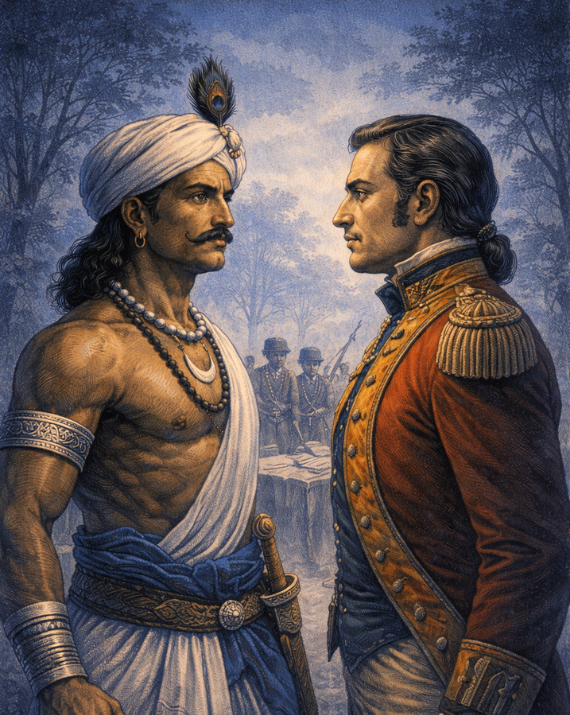
British colonial policies disrupted tribal life, forests, and autonomy, creating conditions for resistance and unrest.
During the period of British rule, tribal regions inhabited by the Gond communities faced increasing external control and interference. Colonial authorities viewed forests primarily as economic resources, introducing laws that restricted traditional rights over land, hunting, and forest produce. These policies disrupted long-established ways of life, weakening the bond between tribal communities and their environment. Administrative systems imposed unfamiliar taxes, forced labor practices, and rigid regulations, often enforced without understanding local customs. For communities like Ramji Gond’s, these changes brought insecurity, poverty, and loss of autonomy. Traditional leadership structures were undermined, and decisions were increasingly dictated by distant colonial powers. The everyday lives of tribal people became shaped by surveillance and control, creating resentment and fear. This broader historical setting of colonial exploitation and marginalization formed the backdrop against which local leaders and resistance movements began to emerge.
- Colonial dominance challenged by moral authority and indigenous self-respect.
- Calm expression reflects strength, dignity, and refusal to submit unjust power.
- Traditional Gond leadership stands firm against rigid colonial authority and control.
- Meeting represents broader struggle between empire and tribal freedom.
- Moment captures rising conflict between tribal autonomy and foreign rule.