Influence on tribal rights and identity
- Home
- Legacy
Cultural Awakening
Influence on Tribal Rights and Identity
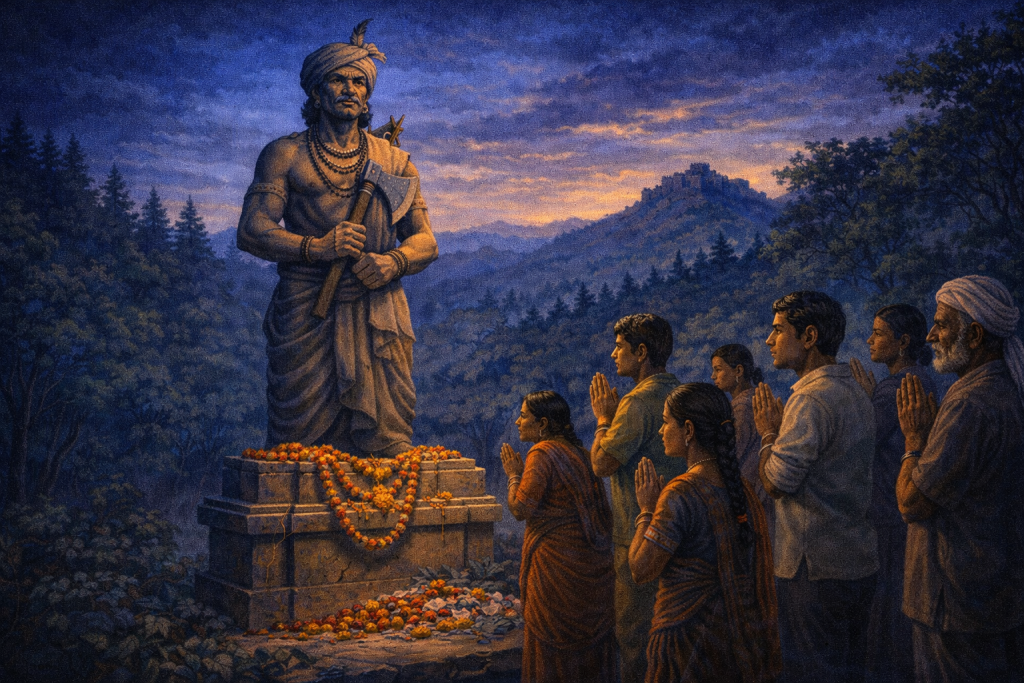
Ramji Gond’s legacy strengthened tribal rights awareness, cultural pride, and collective identity across generations.
Ramji Gond’s struggle played a vital role in awakening awareness around tribal rights and self-determination. His resistance challenged unjust control over forests, land, and community life, highlighting the importance of indigenous ownership and autonomy. By standing firm against colonial policies, he reinforced the idea that tribal communities had inherent rights rooted in tradition and history. His leadership encouraged people to value their identity, customs, and connection to land. Over time, this awareness contributed to a stronger sense of dignity and collective confidence among tribal societies.Beyond immediate resistance, Ramji Gond’s influence helped shape long-term tribal identity. His life became a reference point for cultural pride, unity, and resilience. Oral histories and cultural narratives preserved his ideals, ensuring they were passed to future generations.
Grassroots Leadership
His Role in Shaping Local Resistance Movements
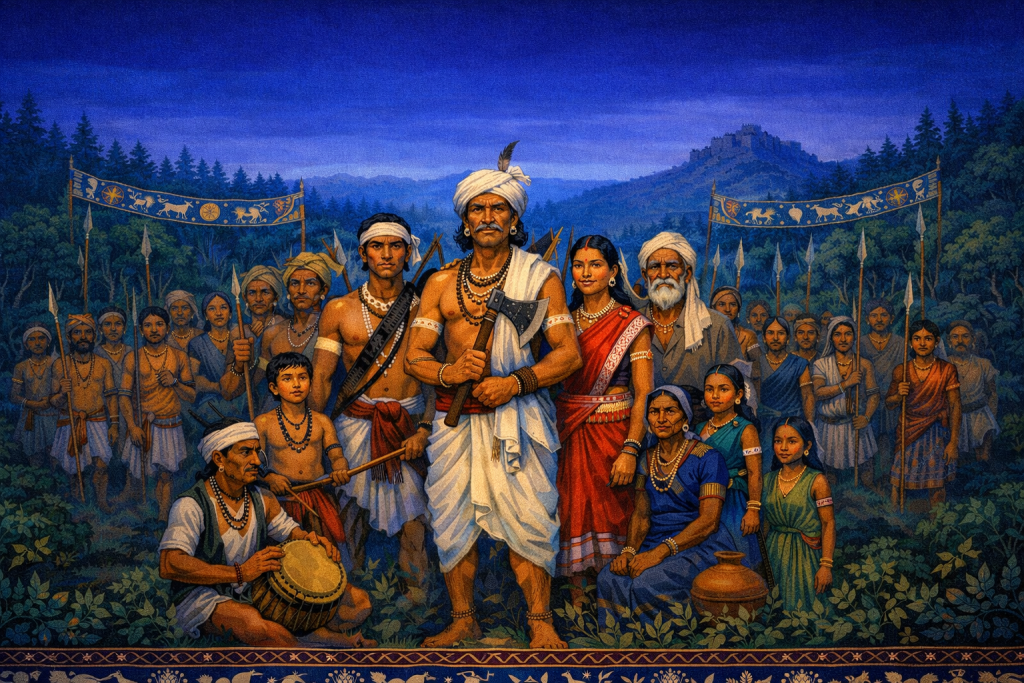
Through courage and organization, he transformed scattered defiance into united, disciplined local resistance movements.
Community
Mobilization
He brought together villagers, elders, and youth under a shared purpose. By addressing common grievances—land loss, forced labor, and injustice—he turned everyday struggles into collective resistance. This unity strengthened morale and reduced fear.
Strategic Local
Networks
He encouraged the formation of small, trusted groups across villages. These networks enabled quick communication, mutual protection, and coordinated action. Such grassroots structures made resistance resilient and difficult for colonial forces to suppress.
Cultural Unity
as Strength
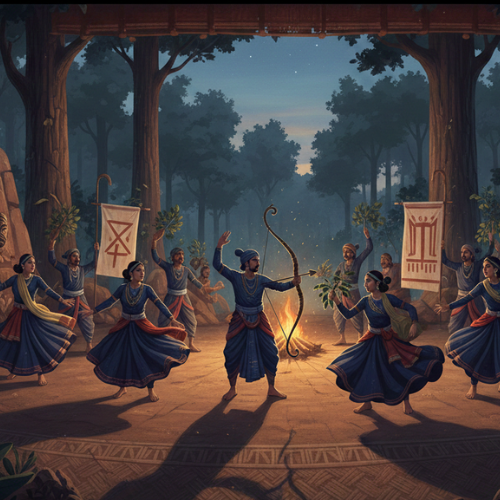
He used shared traditions, rituals, and oral storytelling to inspire participation. Cultural identity became a tool of resistance, reinforcing solidarity and reminding communities of their historical rights and collective power.
Living Legacy
How He Is Remembered Today
Ramji Gond is remembered as a symbol of courage, cultural pride, and unwavering resistance against injustice.
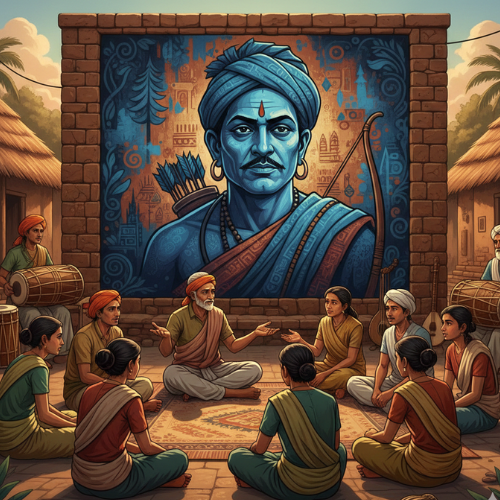
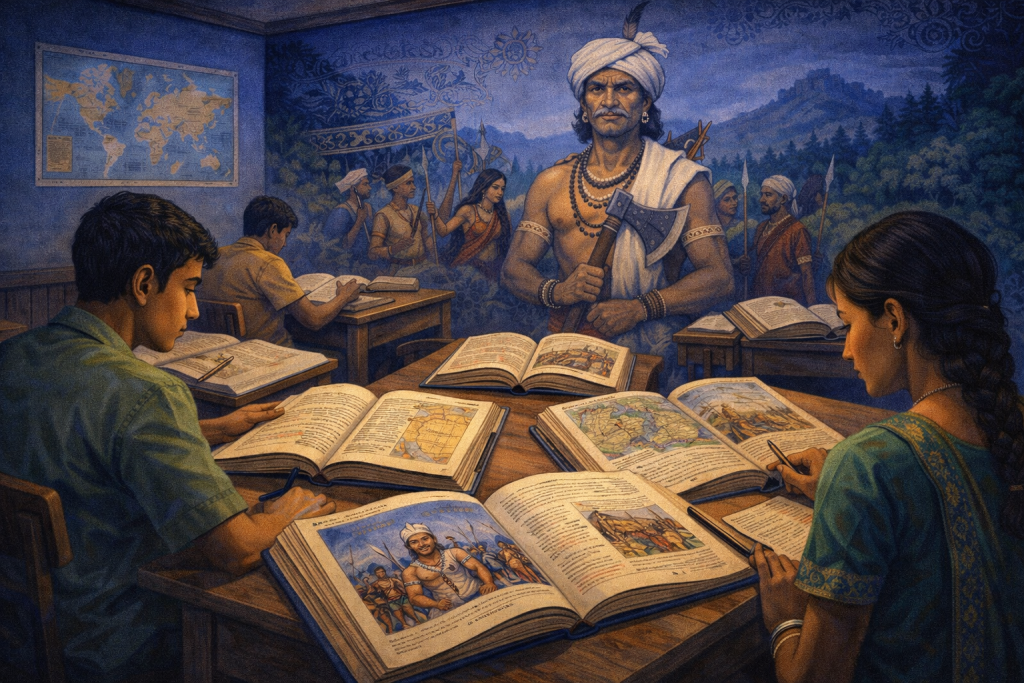
Today, Ramji Gond is remembered not merely as a historical figure but as a living symbol of tribal resistance, dignity, and self-determination. Among Gond and other Adivasi communities, his name is spoken with reverence, often passed down through oral traditions, folk songs, and community gatherings. Elders recount stories of his bravery, wisdom, and deep connection to the land, ensuring that younger generations understand the sacrifices made to protect forests, culture, and autonomy. In many regions, local commemorations, remembrance days, and cultural programs are organized to honor his contribution, blending history with ritual and collective memory. Schools, community halls, and informal learning spaces increasingly include narratives of Ramji Gond to counter long-standing historical neglect of tribal heroes. His life story serves as a moral compass, reminding communities of the importance of unity, discipline, and resistance rooted in justice rather than violence alone. Even today, his ideals resonate strongly in tribal movements advocating for land rights, forest protection, and cultural preservation. Through art, murals, street plays, and digital storytelling, Ramji Gond’s legacy has found new forms of expression, allowing his message to reach beyond regional boundaries. This continued remembrance reflects a growing awareness that India’s freedom and social justice struggles were shaped not only by mainstream leaders but also by fearless tribal visionaries like Ramji Gond.
In contemporary times, Ramji Gond’s remembrance has expanded into academic, cultural, and social spheres, reinforcing his relevance in modern India. Researchers and historians are increasingly documenting his life to restore balance to historical narratives that long marginalized tribal contributions. Universities, independent scholars, and cultural organizations now reference his resistance as an early assertion of indigenous rights against colonial exploitation. Beyond academia, his legacy inspires present-day activists working for environmental justice, tribal self-governance, and constitutional protections under the Fifth Schedule. For many, Ramji Gond represents an ethical model of leadership—deeply rooted in community consensus, respect for nature, and moral courage. Public memorials, statues, and digital archives dedicated to him serve as spaces of reflection and education, especially for youth seeking identity and purpose. Social media and online platforms have further amplified his story, transforming remembrance into a participatory act where communities share memories, artwork, and interpretations of his life. Importantly, Ramji Gond is remembered not as a distant warrior, but as a people’s leader who lived, struggled, and sacrificed alongside his community. His enduring presence in public memory challenges dominant histories and reaffirms the value of indigenous knowledge systems. As movements for inclusivity and historical justice grow stronger, Ramji Gond’s legacy continues to guide conversations about resistance, identity, and the rightful place of tribal voices in the nation’s collective conscience.


Recorded Recognition
Historical Mentions and Public Remembrance
Ramji Gond’s legacy appears across historical records, educational narratives, and public memorials preserving tribal resistance history.
Ramji Gond is referenced in regional chronicles, colonial-era administrative notes, and later tribal historiographies. These records document his leadership, resistance activities, and influence within Gond society. Though often fragmented, they provide crucial evidence of organized tribal opposition during British rule and highlight his strategic and moral authority among local communities.
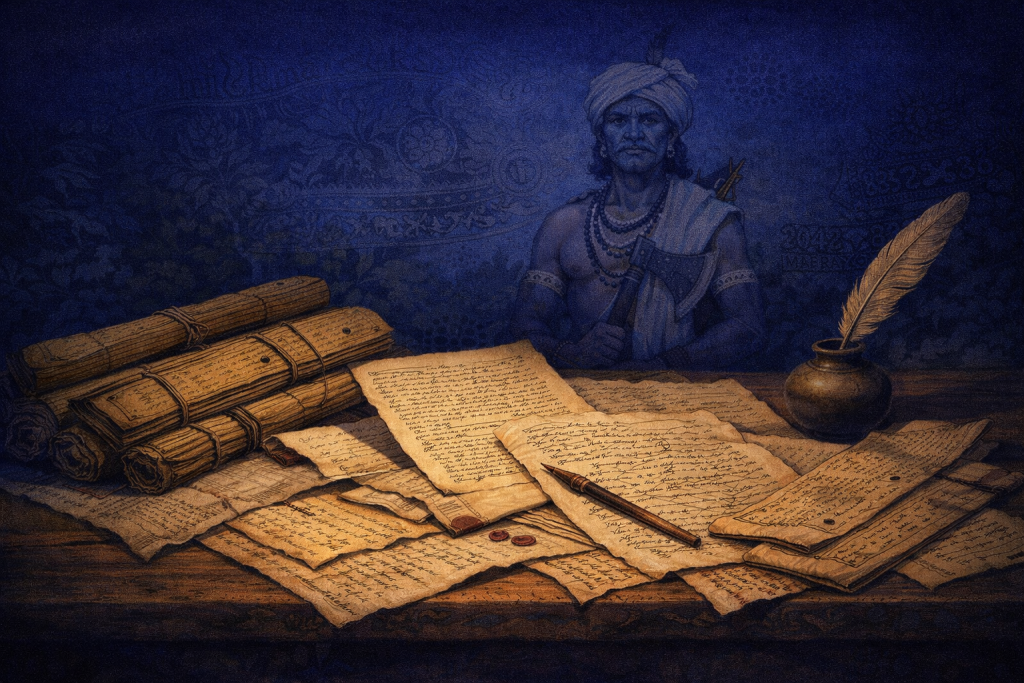
Mentions of Ramji Gond are gradually emerging in state-level textbooks, supplementary readers, and university research materials. His story is increasingly included to represent tribal contributions to resistance movements, helping students understand history beyond mainstream narratives and recognize indigenous leadership in anti-colonial struggles.
Memorials dedicated to Ramji Gond exist in select regions through statues, plaques, and named public spaces. These sites serve as places of remembrance, education, and cultural pride, often becoming focal points for community gatherings, anniversaries, and programs honoring tribal heritage and sacrifice.